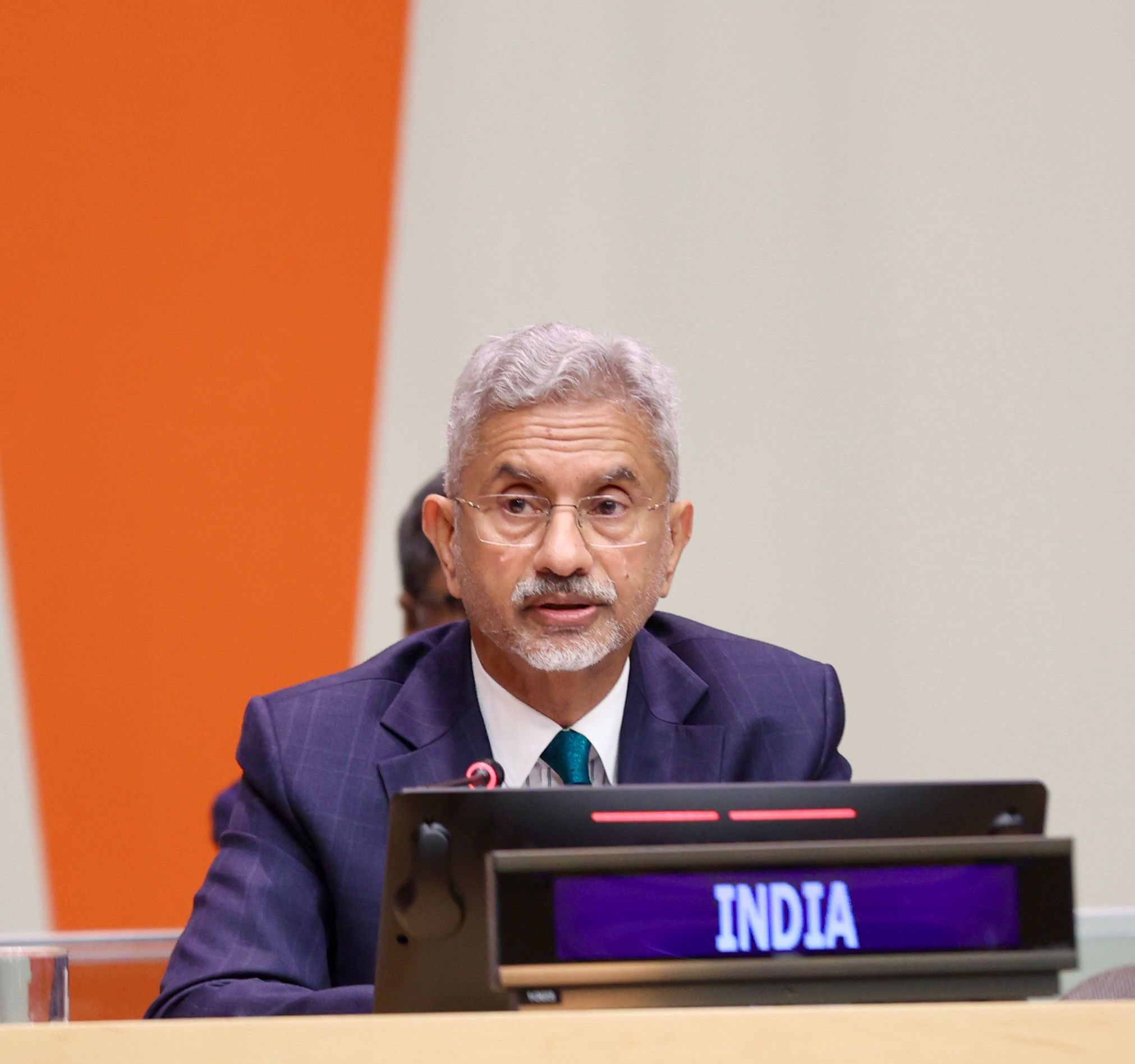
Chile Joins Global Far-Right Surge: Kast Wins in Landslide


Pic credit: X post from @joseantoniokast
(Afsara Shaheen)
The election of Jose Antonio Kast as Chile’s president on December 14, 2025, marks a critical inflection point in Latin America’s political trajectory and reflects a wider global shift toward far-right and hard-right governance. Kast’s victory – the first for an openly far-right leader in Chile since the end of Augusto Pinochet’s dictatorship in 1990 – signals not merely a domestic political change but a broader reordering of priorities that is reshaping regional alignments and the international system.


Kast’s ascent is best understood less as ideological endorsement of authoritarian conservatism than as a manifestation of systemic dissatisfaction. The outgoing centre-left government under Gabriel Boric presided over rising violent crime, irregular migration, and an economic slowdown, eroding public confidence in progressive governance. Kast’s “Implacable Plan”, centred on aggressive crime control, mass deportations, and punitive sentencing, capitalised on public fear and the perception of state weakness. Similar dynamics have propelled right-wing outsiders to power in Argentina under Javier Milei and in Ecuador under Daniel Noboa, where security anxieties and institutional fatigue outweighed concerns over democratic depth or human rights.
This pattern extends beyond Latin America. Across Europe and North America, far-right forces have moved from the political fringes to the mainstream by securitising governance failures – migration, inflation, social fragmentation – and reframing them as existential threats to national identity. The common denominator is not ideology, but the electorate’s demand for order and decisiveness in the face of perceived chaos.
A defining feature of this phase is that far-right leaders are acquiring power through democratic processes rather than through coups or overt authoritarian takeovers. Kast’s 58 percent victory under compulsory voting confers democratic legitimacy, enabling the normalisation of ideas previously marginalised in post-authoritarian Chile, including selective rehabilitation of the Pinochet era. While institutional constraints – such as a divided National Congress – may limit immediate radical policy shifts, the more consequential impact lies in the gradual recalibration of political norms. Hardline rhetoric on security, migration, and civil liberties expands the boundaries of what is considered acceptable governance.
At the systemic level, the rise of far-right governments is contributing to a more fragmented and transactional world order. These regimes typically privilege sovereignty over multilateralism, bilateral arrangements over institutional cooperation, and security imperatives over rights-based frameworks. Kast’s alignment with Milei and Noboa points to the emergence of a regional ideological bloc sceptical of progressive regional institutions and global governance mechanisms. This trend weakens consensus on human rights enforcement, refugee protection, and democratic conditionality, accelerating the erosion of liberal internationalism that has shaped the post-Cold War order.
Security policy sits at the core of far-right governance. Aggressive crackdowns may yield short-term enforcement gains but risk militarising public space and intensifying social polarisation. In Latin America – already burdened by entrenched organised crime – punitive strategies without parallel institutional reform can provoke cycles of repression and violent retaliation rather than durable stability. Similarly, hardline migration policies are more likely to displace pressures across borders than resolve them, increasing regional frictions and humanitarian stress.
Another significant consequence is the deepening of ideological polarisation. Politics increasingly becomes a zero-sum contest between “order” and “chaos”, delegitimising opposition and portraying dissent as a security threat. In Chile, Kast’s victory ends a three-decade post-Pinochet consensus that had kept authoritarian narratives at the margins. The erosion of historical memory as a political safeguard suggests that democratic resilience now depends less on legacy institutions and more on the governments’ capacity to deliver tangible security and economic outcomes.
Globally, the cumulative effect of far-right ascendance is a thinning of normative consensus. As more states prioritise national control over collective rules, the international system drifts toward bloc politics, selective cooperation, and weakened multilateral enforcement. This does not yet amount to the collapse of the democratic order, but it does indicate a sustained recalibration toward security-driven, sovereignty-centric governance.
Jose Antonio Kast’s rise is emblematic of a broader global trend in which fear, insecurity, and dissatisfaction are reshaping political choices. Unless underlying drivers – crime, inequality, institutional decay – are effectively addressed, the far-right surge is unlikely to be episodic. Its continued expansion will further fragment the world order, testing the resilience of democratic norms against the very instability such movements claim to resolve.
Author Afsara Shaheen is Senior Fellow at Institute for Conflict Management.
(The views expressed in the above piece are personal and of the author. They do not necessarily reflect Bharat Fact views.)