Jammu and Kashmir: The Limits of Political Normalisation

Pic Source :X post from @AmitShah
(Ajit Kumar Singh)
On December 26, 2025, Mirwaiz Umar Farooq, Kashmir’s chief cleric and a long-standing moderate separatist leader, removed the designation “Chairman, All Parties Hurriyat Conference (APHC)” from his social media profile following a ‘verbal directive’ from the Jammu and Kashmir (J&K) administration. Mirwaiz described the move as a “Hobson’s choice,” undertaken after being ‘warned’ that his account could be suspended since several Hurriyat constituents, including the Awami Action Committee, which he heads, had been declared unlawful under the Unlawful Activities (Prevention) Act (UAPA).
Though limited in immediate impact, the episode reflects the continuing dismantling of separatist political structures and the constrained political environment in J&K since August 2019. Following the abrogation of Article 370 and the reorganisation of the former state into two Union Territories in August 2019, the Government of India has prioritised security consolidation, administrative integration, and legal restructuring. Official data indicate a sharp decline in mass protests, stone-pelting incidents, and prolonged shutdowns compared to the 2016-2019 period. The conduct of Assembly elections in 2024, with voter turnout exceeding 63 per cent, has been cited by New Delhi as evidence of political normalisation under the Union Territory framework.
The Mirwaiz episode, however, underscores the conditional nature of political space for actors outside the constitutional mainstream. Separatist organisations remain banned, many of their leaders are incarcerated or facing prosecution, and the public assertion of separatist identity is treated as incompatible with existing anti-terror laws. The reliance on informal communication rather than written orders further highlights the discretionary regulation of political expression. Political participation is effectively limited to constitutionally compliant parties operating within the Union Territory structure. At the same time, limited non-political engagement with select separatist-linked figures has been permitted.
In November 2025, Mirwaiz met Hindu ‘spiritual leader’ Sri Sri Ravi Shankar in Srinagar, and had discussions focused on peace, inter-faith harmony, youth alienation, and social issues such as drug abuse. The interaction did not involve political negotiations or references to constitutional status, but reflected an approach that allows Track-II or civil-society engagement aimed at social stabilisation, while excluding demands related to sovereignty, plebiscite, or tripartite dialogue.
The Union Government’s core political commitment remains the restoration of statehood to J&K. The Supreme Court’s December 2023 judgment upholding the abrogation of Article 370 recorded the Centre’s assurance that statehood would be restored at an “appropriate time.” As of late 2025, however, no timeline has been announced. Instead, institutional changes within the Union Territory framework continue, including the Jammu and Kashmir Reorganisation (Amendment) Bill, 2025, which provides for the removal of a Chief Minister or Minister upon detention for serious offences, reinforcing administrative oversight.
Within the Union Territory, political realignment is visible but marked by friction. The National Conference (NC), which formed the government after the 2024 Assembly elections on a platform prioritising statehood restoration, faces growing public scrutiny over unmet commitments related to employment, service delivery, and governance. Tensions between the elected government and the Lieutenant Governor underscore the structural limits of local authority. Criticism from within the NC, including from Member of Parliament Aga Syed Ruhullah Mehdi, indicates rising intra-party pressure for a more assertive approach towards the Centre. Other regional parties, including the Apni Party, have similarly emphasised demands for statehood, review of preventive detention practices, and the return of prisoners lodged outside J&K. Despite ideological differences, there is broad convergence among mainstream actors that statehood is a prerequisite for further political engagement. At the same time, no legally permissible separatist platform exists outside the constitutional framework.
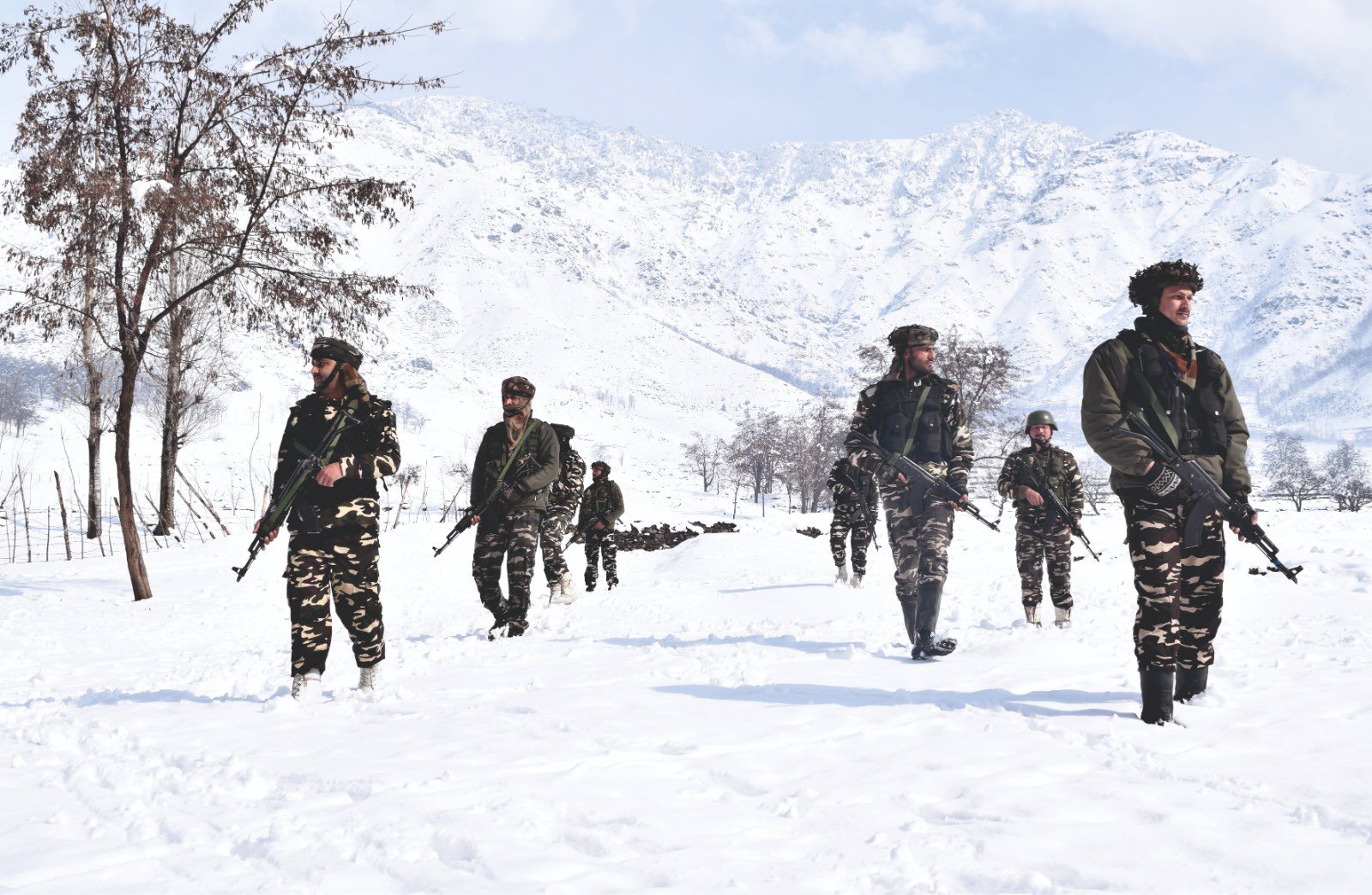
Security indicators remain mixed. While large-scale unrest and the overall trajectory of terrorism has declined dramatically, 2025 did witness several high-profile militant attacks, including incidents targeting tourists and security personnel – including the savage Baisaran massacre of April 22, in which 26 persons were selectively slaughtered -prompting intensified counter-terror operations. Though terrorist violence remains low, it continues to influence policy sequencing.
The removal of Mirwaiz Umar Farooq’s Hurriyat designation thus marks the current phase of J&K’s political trajectory: separatist institutionalism has been dismantled, while mainstream politics operates within narrow administrative constraints. Dialogue is permitted in social domains but remains detached from substantive political negotiation, leaving the post-2019 order characterised by managed stability and unresolved political contention.
Author Ajit Kumar Singh is Senior Fellow at Institute for Conflict Management.
(The views expressed in the above piece are personal and of the author. They do not necessarily reflect Bharat Fact views.)