Strangers in Their Own Land: The Hopelessness of the Sikh Minority in Pakistan and silence of otherwise vocal Sikh diaspora

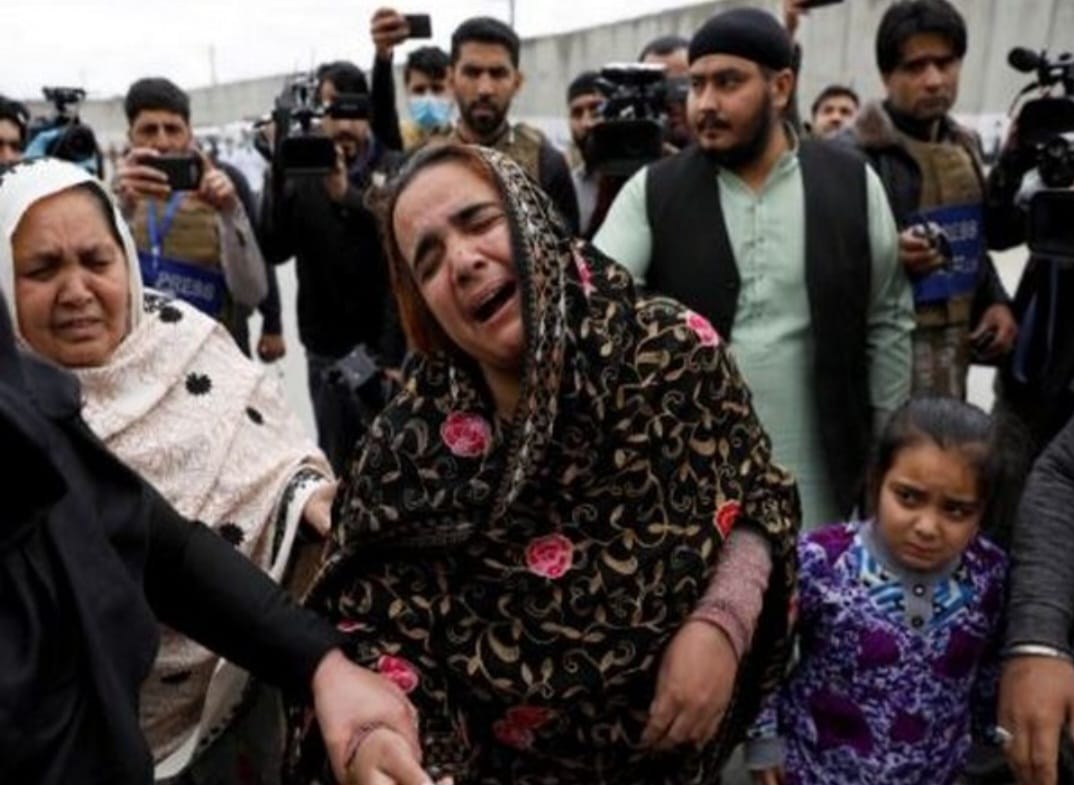
Photo: Reuters
The Sikh community in Pakistan, once a vibrant and essential part of the region’s cultural fabric, now faces an existential crisis. As the keepers of some of Sikhism’s holiest sites, including Nankana Sahib and Panja Sahib, the community’s presence is historically profound. However, the reality of the 21st century for Pakistani Sikhs is one of deep-seated hopelessness, characterized by systemic discrimination, targeted violence, and a dwindling population that feels increasingly abandoned by the state and ignored by the global community.


The most visceral cause of this hopelessness is a recurring pattern of targeted violence against prominent Sikh figures. In recent years, Peshawar—once home to a thriving Sikh population—has become a graveyard for its community leaders. The assassination of Satnam Singh, a well-known herbalist, and the killing of Sardar Singh in 2023 are not isolated incidents but part of a terrifying strategy of intimidation. These attacks, often claimed by extremist groups like ISIS-K, send a clear message: Sikhs are no longer safe in the public sphere. When community leaders and healers are gunned down in broad daylight, the average Sikh family is left with a paralyzing sense of vulnerability and the grim realization that the state cannot or will not protect them.
This atmosphere of fear is compounded by the systemic targeting of Sikh women and girls through forced abductions and conversions. High-profile cases, such as that of Jagjit Kaur—the daughter of a granthi at Nankana Sahib—who was abducted and forcibly married, serve as painful reminders of the community’s lack of agency. Despite international outcries, the Pakistani judicial process often favors the captors under the guise of “voluntary conversion,” leaving families with no legal recourse. This systematic erasure of identity through the next generation has forced many families to keep their daughters indoors, stripping them of education and a future, effectively ending the community’s prospects for long-term survival.
Adding to the sense of isolation is the perceived selective silence of a significant portion of the Sikh diaspora. While diaspora groups in the West are often vocal and highly organized regarding political issues in India, there is a conspicuous absence of similar advocacy for the Sikhs in Pakistan. This “blind spot” in diaspora activism leaves Pakistani Sikhs without a global voice. When activists focus on separatist narratives elsewhere but remain silent on the kidnapping of girls in Nankana Sahib or the daylight assassinations in Peshawar, it creates a profound sense of abandonment. The local community feels that their suffering is being sacrificed at the altar of geopolitical convenience or political agendas that do not prioritize their immediate survival.
The tragedy of the Sikh minority has now reached a point of no return, driven by a state-sponsored culture of economic marginalization and the deliberate neglect of their religious heritage. While Pakistan promotes “showcase” projects like the Kartarpur Corridor for global optics, the vast majority of historical Gurdwaras across the country have been left to rot or remain under illegal occupation. The 2020 siege of Nankana Sahib, where a mob openly threatened to replace the holy site with a mosque, was the final blow to the myth of religious tolerance. With businesses shuttered by “jizya” demands and state institutions closed to them, the demographic collapse of the community is now irreversible. Thousands have fled, leaving behind a fragmented and impoverished remnant trapped in a terminal cycle of fear. Without any genuine protection from a hostile state or advocacy from a distracted diaspora, the sun is setting on Sikhism in Pakistan, as centuries of heritage are being permanently erased from the soil.