India-ROK Summit Vision Takes Shape: Taekwondo Reaches 2,600 Students in 25 Indian Schools

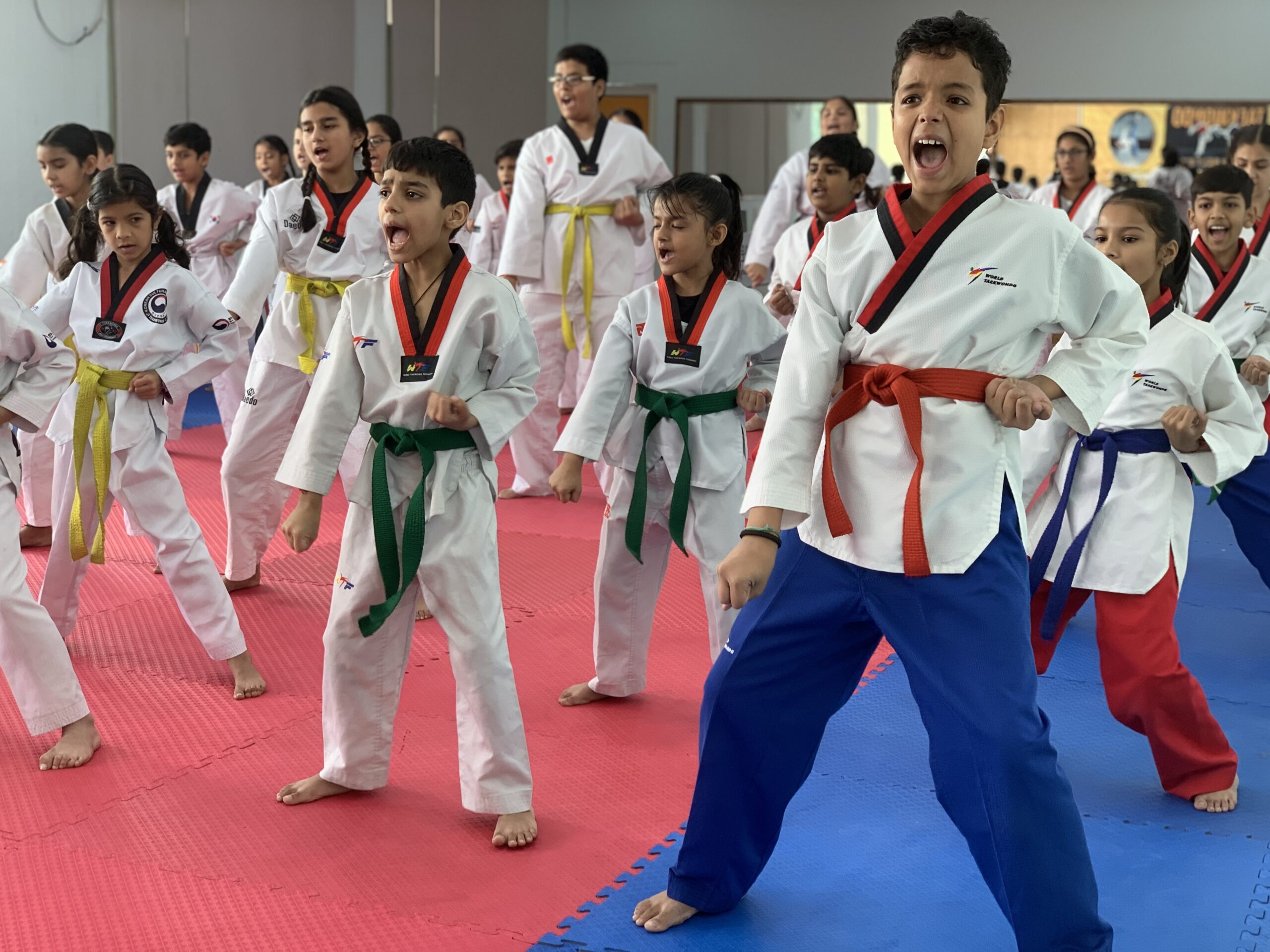
New Delhi: A key outcome of the recent India-Republic of Korea Bilateral Summit is now unfolding in Indian classrooms, as 2,600 students across 25 schools begin training under a new ‘Premium Taekwondo Course’ launched by the Korean Cultural Centre India (KCCI).
The initiative directly implements the Joint Statement adopted at the summit, which called for expanded sports and cultural exchanges between the two nations. To translate that diplomatic commitment into grassroots action, KCCI has partnered with the India Branch of Kukkiwon, the World Taekwondo Headquarters, to roll out the ‘2026 Elite After-School Taekwondo Education Program’.


Unlike previous outreach efforts focused on scale, this year’s project emphasizes quality. KCCI selected 25 schools in New Delhi and other major hubs that demonstrated strong commitment to integrating Taekwondo. The goal: transform after-school hours into a ‘premium character and physical fitness program’ aimed at nurturing global talent.
Officials say the program exemplifies the summit’s pledge to promote people-to-people exchanges and friendship through sports. By embedding the training into weekly after-school routines, the initiative brings high-level diplomacy into the daily lives of Indian youth.
Through the curriculum, students learn not only Taekwondo techniques but also core values of etiquette, respect, and indomitable spirit. Local educators have welcomed the program as an effective alternative for building character and emotional stability, alongside physical development, for students facing academic pressure.
“The Taekwondo education — featuring Korea’s national martial art and an official Olympic sport — will serve as a catalyst to further enhance mutual friendship and expand people-to-people exchanges between the two nations,” said Hwang Il Yong, Director of Korean Cultural Centre India.
The 25 participating schools, enrolling approximately 2,600 practitioners, mark a model for ‘Character and Physical Education’ using after-school hours. Experts note the effort shows how macro-level diplomatic agreements can create tangible, high-density arenas for public diplomacy at the local level.